BOOKS READ THIS SUMMER
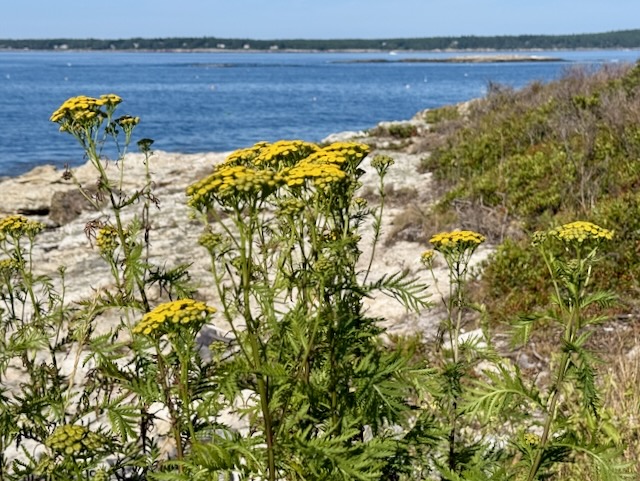
I read many of the books on my proposed summer reading list, but not all of them. In addition, I read a number of new and notable books and some others just for fun. I was in Maine with a relaxed schedule and beautiful views. Reviews of many of these titles appeared in earlier blog posts, and here, I’ve included thoughts on one historical novel.

Appraisals by Claire Boyles (pre-pub)
Big Lies in a Small Town by Diane Chamberlain
The Bookstore Diaries by Susan Mallery
Canticle by Janet Rich Edwards
The Chalk Pit by Elly Griffiths
The Cliffs by J. Courtney Sullivan
The Dark Angel by Elly Griffiths
Heather by Caitlin Mullen
Last Letters of Sally and Walter by Cammie McGovern
Last One Out by Jane Harper
Liberty Island by Virginia Hume
The Safekeep by Yael Van der Wouden
Savor: A Chef’s Hunger for More by Fatima Ali
Sing You Home by Jodi Picoult
The Things We Never Say by Elizabeth Strout
Whistler by Ann Patchett
Women of a Promiscuous Nature by Donna Everhart

NOT YET FINISHED
Pride and Pleasure: The Schuyler Sisters in an Age of Revolution by Amanda Vaill (have read two-thirds of this 600-page biography & will finish it.)
Regime Change by Maggie Haberman and Jonathan Swan (about 40% done; can only read it in short bits)
CHILLING HISTORY
Women of a Promiscuous Nature by Donna Everhart

Donna Everhart’s new novel, Women of a Promiscuous Nature, explores a chilling piece of American history. The American Plan, legislation passed around the time of WWI, was created to get so-called troublesome women off the streets, ostensibly to protect the military troops from venereal disease. Colonies for reform were set up in various parts of the country, and one was in Kinston, North Carolina.
The Colony in Kinston was still in existence in 1941 which is when this novel is set. Ruth Foster, a 24-year-old single woman was on her way to her job at a local diner when she was picked up the sheriff and subsequently delivered there. She had done nothing wrong, other than to live independently by herself. Stella at 15, another main character, ends up there after her father impregnates her.
The goal of the institution was nominally to instill a work ethic into these young women and mold them for a better life. The reality is alarmingly different, with back-breaking work in the laundry and fields, solitary confinement in a “meditation’’ room as punishment, and unnecessary and debilitating medications given for unspecified or non-existent diseases.
Dorothy Baker, the Kinston superintendent is a zealot, and believes in the rightness of her cause while Mrs. Maynard, one of the housekeepers, enjoys meting out physical punishment. How Ruth and Stella and the other residents rebel or submit, how they try to escape, and ultimately, how they re-gain their freedom makes for a compelling and poignant story. Recommended for women’s history buffs. (~JWFarringon)

Note: All unattributed photos ©JWFarrington (some rights reserved.)


I am wondering how many of the women “residents” of the Kinston colony were white. Is race a component of this program?
The Colony was set up for white women and so the main characters in the novel were all white. Race not the issue here.